
1) What “small telescopic loader” means (and why compliance gets confusing fast)
“Small telescopic loader” is used for a few different machines:
- A compact telehandler (variable reach rough-terrain truck) used on farms and job sites
- A compact loader with a telescopic boom option
- Sometimes people even mix it up with skid steers or compact tracked loaders
Compliance depends less on the nickname and more on what the machine is legally treated as in each market:
- Off-road / non-road mobile machinery (most common)
- On-road capable vehicle (much harder, different approvals)
- Diesel vs gasoline vs electric
- Power (kW/HP) + model year of the engine
If the plan is “use it only on private land / job sites,” most imports fall into the nonroad equipment path (the friendliest path).
2) USA vs EU: two totally different compliance “tracks”
Here’s the mental model that prevents 80% of mistakes:
In the USA, the gatekeeper is mainly the engine emissions rules
- The key question is: Is the engine covered by a valid EPA Certificate of Conformity for the model year / engine family?
- Importers also have to complete the proper EPA import declaration process.
In the EU, it’s “machine safety CE” + “engine emissions Stage V”
- CE marking is about safety (risk assessment, guarding, controls, manuals, technical file, Declaration of Conformity).
- Stage V is about the engine meeting the EU non-road emissions regulation and type-approval requirements.
These are related, but they’re not the same thing.
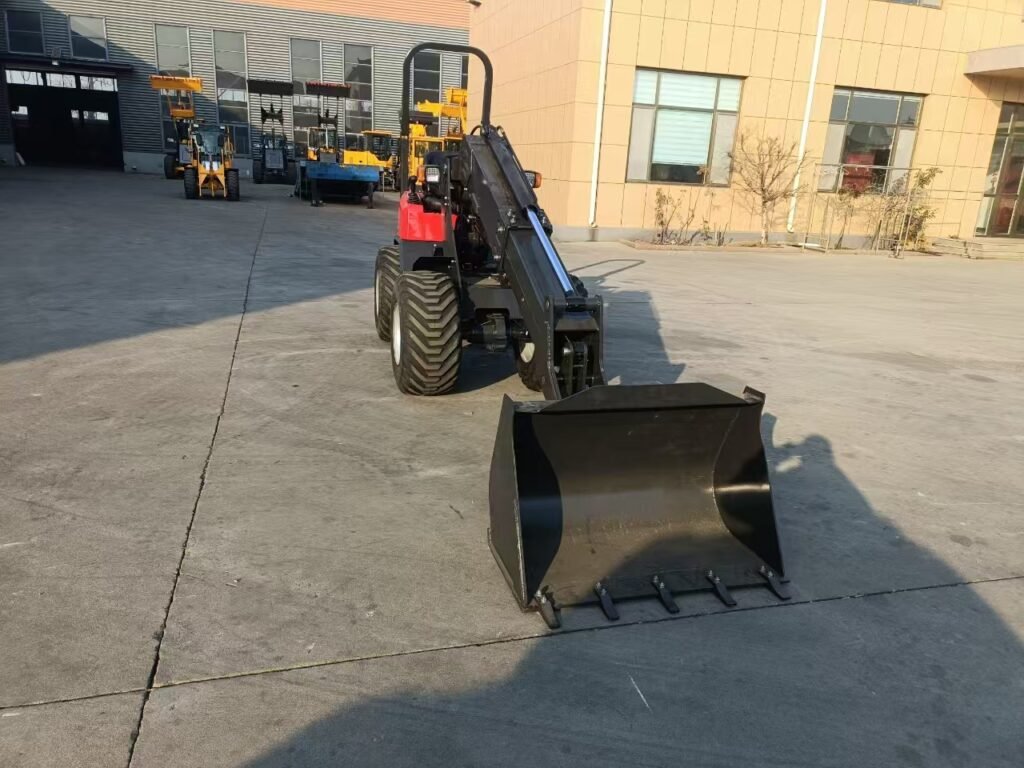
3) USA: EPA compliance (Tier 4) and import documents
3.1 What CBP/EPA actually cares about for a small telescopic loader
For typical diesel compact equipment, EPA regulates nonroad compression-ignition engines (the “Tier” pathway). EPA’s nonroad diesel program includes construction/ag equipment like excavators, tractors, forklifts, and similar categories.
The big rule of thumb:
- If it’s new equipment with a new engine, it generally needs to be EPA certified for the applicable category/model year and carry proper labeling.
3.2 The “must-have” proof: EPA Certificate of Conformity (for that engine family)
EPA issues a Certificate of Conformity to the engine manufacturer for specific engine families and model years. EPA also maintains certification data where the engine family number (found on the engine emissions label) is used to pull up records.
Practical importer tip:
Ask the supplier for clear photos of:
- The engine emission control label (must be durable, readable, in English, and permanently affixed).
- The engine plate (model, serial, power rating)
If a supplier can’t produce label photos early, that’s a red flag.
3.3 The EPA import declaration form: 3520-21
For importing nonroad engines (including engines already installed in equipment), EPA uses Form 3520-21. EPA’s own forms page explicitly lists 3520-21 for nonroad engines and heavy-duty highway engines.
EPA’s import rules also state importers must complete the appropriate EPA declaration before importing and keep records for five years.
Common mistake: treating EPA paperwork as “optional if the machine is off-road.” It’s usually the opposite: off-road equipment still has regulated engines.
3.4 Core US customs documents (what actually moves cargo through the port)
EPA compliance is one gate. Customs clearance is another. For ocean freight, the Import Security Filing (ISF / 10+2) is required and must be filed on time (CBP explains timing clearly).
Typical “can’t-miss” set for a formal entry:
- Commercial invoice
- Packing list
- Bill of lading / arrival notice
- Customs bond (common for formal entries)
- Entry/entry summary filed via broker
- ISF for ocean freight
CBP also publishes a general “Importing into the U.S.” guide for commercial importers.
4) EU: CE marking + Stage V engine compliance (and when the 2027 rules matter)
4.1 CE marking basics (and the biggest myth: “CE certificate”)
For machinery, CE is usually a manufacturer’s conformity process, backed by:
- Technical documentation (technical file)
- EU Declaration of Conformity
- Correct marking and instructions
The EU’s own business portal explains that technical documentation supports the EU Declaration of Conformity and underlines that importers must ensure the product is accompanied by the DoC and keep a copy for 10 years.
Also, the European Commission’s EMC page points out a common scam: it is not acceptable for “certificates” to bear a CE marking—CE is not a “certificate stamp” from a random lab.
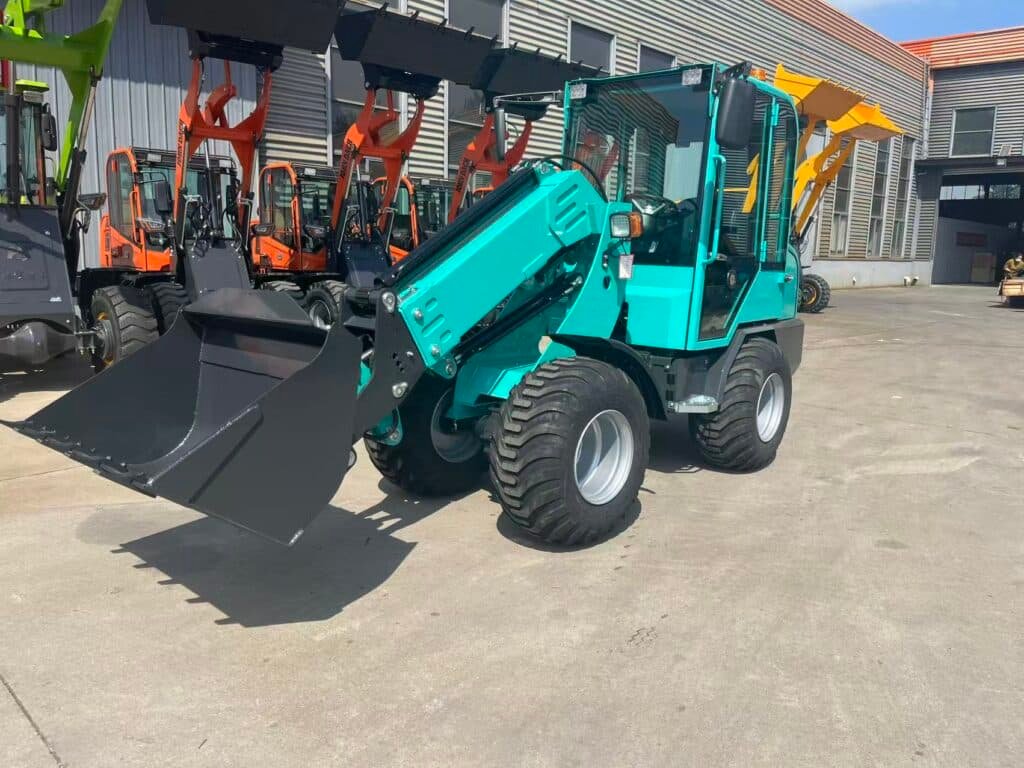
4.2 Machinery Directive vs Machinery Regulation (important dates)
- The new Machinery Regulation (EU) 2023/1230 replaces the Machinery Directive framework and becomes fully applicable in January 2027 (transition period).
What this means in real life:
- Machines placed on the EU market before the switch date follow the old framework (in practice, most factories are still building documentation in the “Directive-style” today).
- For multi-year distribution plans, it’s smart to require a supplier’s CE documentation process to be “upgrade-friendly” toward 2027, especially for machines with advanced electronics/software.
4.3 Stage V (engine emissions) is separate from CE
EU non-road engine emissions are governed by Regulation (EU) 2016/1628 (Stage V), which sets emissions limits and type-approval procedures for non-road engines.
Practical importer takeaway:
A “CE file” does not automatically prove the engine is Stage V. Ask for Stage V engine documentation explicitly.
4.4 Likely EU rules that can apply to a telescopic loader
Depending on configuration, a compact telescopic loader/telehandler may involve:
- Machinery safety (CE): risk assessment + safeguards + instruction manual + Declaration of Conformity
- EMC Directive 2014/30/EU if there are electrical/electronic systems that can emit/receive interference (most modern machines qualify)
- Outdoor Noise Directive 2000/14/EC for equipment in its scope; it requires noise marking/technical documentation where applicable
- Telehandler safety standards often used to show compliance (for example EN 1459 family / ISO telehandler safety requirements)
(Standards help prove conformity, but the legal requirement is meeting the “essential requirements” through the CE process.)
5) The document checklists (USA / EU)
5.1 USA import “must ask supplier for” pack (practical checklist)
Engine / EPA
- Clear photo of EPA engine emission label (English, durable, permanent)
- Engine family/model year proof and confirmation it’s covered by an EPA certificate
- If your broker requests it: supporting EPA certification details for that engine family
Importer-side filing
- EPA Form 3520-21 (usually prepared/retained by importer/broker)
- Import records retention plan (EPA expects records kept five years)
Customs / logistics
- Commercial invoice, packing list, bill of lading
- HS code suggestion (supplier can suggest; broker should confirm)
- ISF (for ocean freight)
5.2 EU import “must ask supplier for” pack (practical checklist)
CE / machine safety
- EU Declaration of Conformity (matching exact model + serial format)
- User manual (language requirements depend on destination country)
- Technical documentation / technical file access (often “made available on request,” but should exist and be complete)
Engine / Stage V
- Stage V engine type-approval / compliance evidence aligned with Regulation (EU) 2016/1628
- Engine marking details (label/plate photos)
Importer retention
- Importer should keep a copy of the DoC for 10 years after placing on the market (EU guidance)
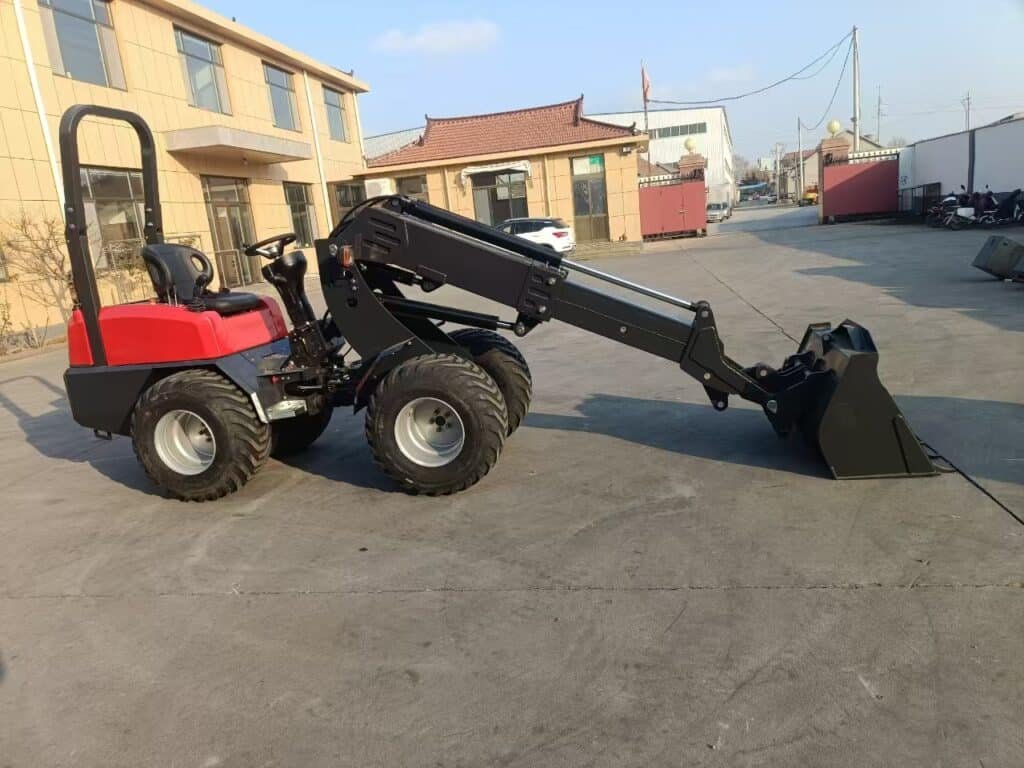
6) How to verify certificates and avoid paperwork fraud
This is the part most importers wish someone explained earlier.
6.1 USA: verify EPA claims using the engine family number
EPA explicitly notes that the certification database uses the engine family number found on the emission label.
Verification habit that works:
- Don’t accept “EPA compliant” as a sentence.
- Require: label photo → engine family number → certification lookup trail.
6.2 EU: stop asking for a “CE certificate” and start checking the DoC quality
A clean EU Declaration of Conformity normally includes:
- Manufacturer name/address
- Product identification and type
- Applied legislation and standards
- Signature and date
Also remember: CE marking is not a “certificate logo” on a PDF. The Commission warns about misuse of CE on certificates, which is a common red-flag pattern in scams.
6.3 Stage V: separate folder, separate proof
If a supplier bundles “CE + Stage V” into one vague document, that’s risky. Stage V is driven by Regulation (EU) 2016/1628 and relates to type-approval of non-road engines.
7) A simple, low-risk buying process that avoids port surprises
A practical workflow used by many serious distributors/importers:
- Lock the target market first (USA only / EU only / both)
- Ask supplier for a “compliance photo pack” early:
- engine label, engine plate, machine nameplate, CE plate, serial number format
- Ask for a draft document pack before deposit:
- US: EPA-related proof + draft invoice/packing list format
- EU: draft DoC + manual table of contents + applied standards list
- Put compliance into the contract:
- “Shipment release only after documentation review”
- Serial-number-based document matching (no generic PDFs)
- Use a broker/forwarder who has handled nonroad machinery before (not just consumer goods)
This process catches most problems before the machine becomes “stuck money” at the port.
8) Where a factory like Nicosail can realistically help (without marketing fluff)
A good factory isn’t “the paperwork department.” A good factory is one that builds a machine and documentation that match real enforcement patterns:
- Clear, traceable serial numbers across nameplates + documents
- Engine label photos supplied before shipment
- CE documentation that looks like a real technical file process (risk assessment, manuals, configuration control), not a one-page template
- For export markets, the ability to configure engines/packages correctly for EPA and Stage V targets (and keep it consistent across production)
This is the sort of “quiet reliability” buyers typically want. Nicosail is one of the manufacturers that can prepare an export-ready document set as part of the delivery package (especially for distributors who need consistency across batches), without turning the whole purchase into a custom paperwork experiment.
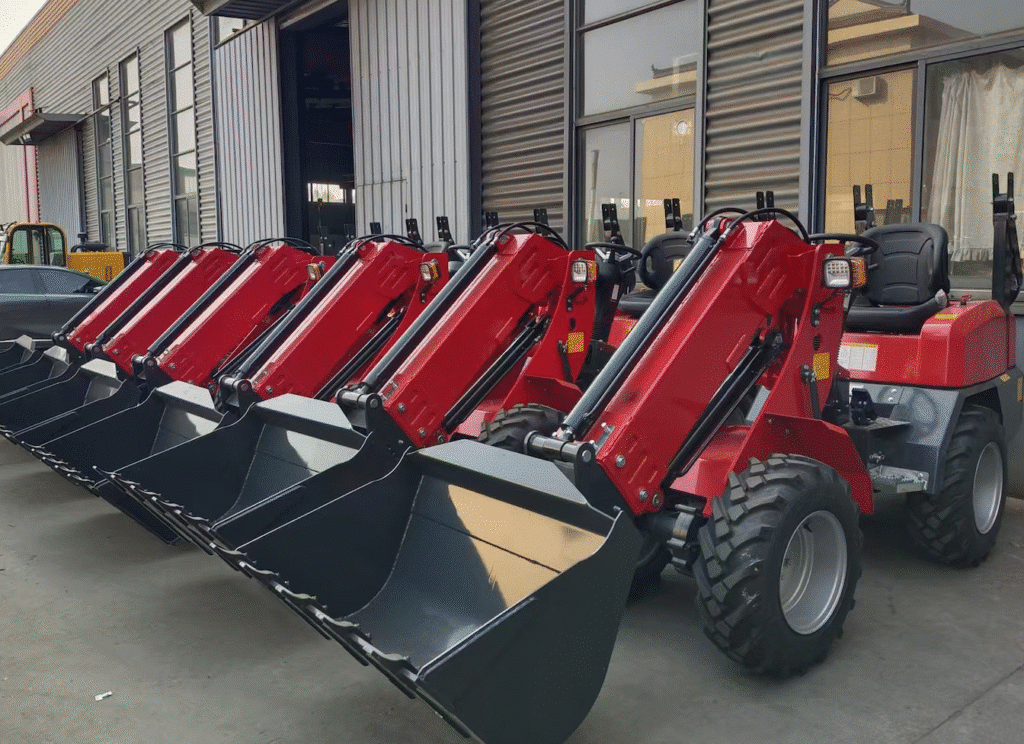
FAQ
Q1: Is a “CE certificate” required to import a telescopic loader into the EU?
Usually no. What’s required is a valid CE conformity process, including an EU Declaration of Conformity and supporting technical documentation.
Q2: Does CE marking prove the engine meets EU Stage V?
No. CE is mainly machine safety compliance; Stage V is engine emissions compliance under Regulation (EU) 2016/1628.
Q3: What USA form is commonly used for importing nonroad engines/equipment under EPA rules?
EPA lists Form 3520-21 for nonroad engines (including engines installed in equipment).
Q4: How can an EPA certificate claim be checked?
Use the engine family number on the engine emission label and cross-check via EPA certification data.
Q5: How long should records be kept?
- EPA import rules indicate importers must keep records for five years.
- EU guidance says importers should keep a copy of the DoC for 10 years after placing the product on the market.
Q6: Does the Outdoor Noise Directive apply to every machine used outside?
Not automatically. It applies to equipment listed/specified by the directive and its annexes, with defined marking/technical documentation obligations where in scope.
Q7: Can the same machine be “EPA + CE + Stage V” and sold everywhere?
Sometimes yes, but only if the configuration (especially the engine and control system) is genuinely built and documented for each market. Many import problems come from “one configuration promised to satisfy all markets” without proper supporting evidence.
Summary
Importing a Chinese small telescopic loader into the USA/EU is very doable, but it’s not just “shipping + price.” The clean approach is:
- USA: focus on EPA engine certification proof + correct EPA declaration process (often Form 3520-21) and standard CBP paperwork.
- EU: treat it as two parallel requirements—CE machine safety documentation and Stage V engine compliance evidence.
- Don’t buy on promises. Buy on label photos, serial-traceable documents, and verifiable compliance trails.
If the next step is choosing a machine configuration (diesel/electric, kW class, intended attachments), those details can be mapped to a tighter “exact document request list” so nothing gets missed at customs.