
1. Why Proper Operation Matters (More Than You Think)
A small telescopic loader looks simple. Many operators think, “It’s just lifting and moving.”
But in real job sites, most problems don’t come from the machine—they come from how it’s operated.
Poor operation leads to:
- Tipping accidents
- Faster wear and tear
- Hydraulic damage
- Unsafe lifting situations
👉 Simple truth:
A skilled operator can make an average machine perform great.
An untrained operator can damage even the best machine.
2. Know Your Machine Before You Start
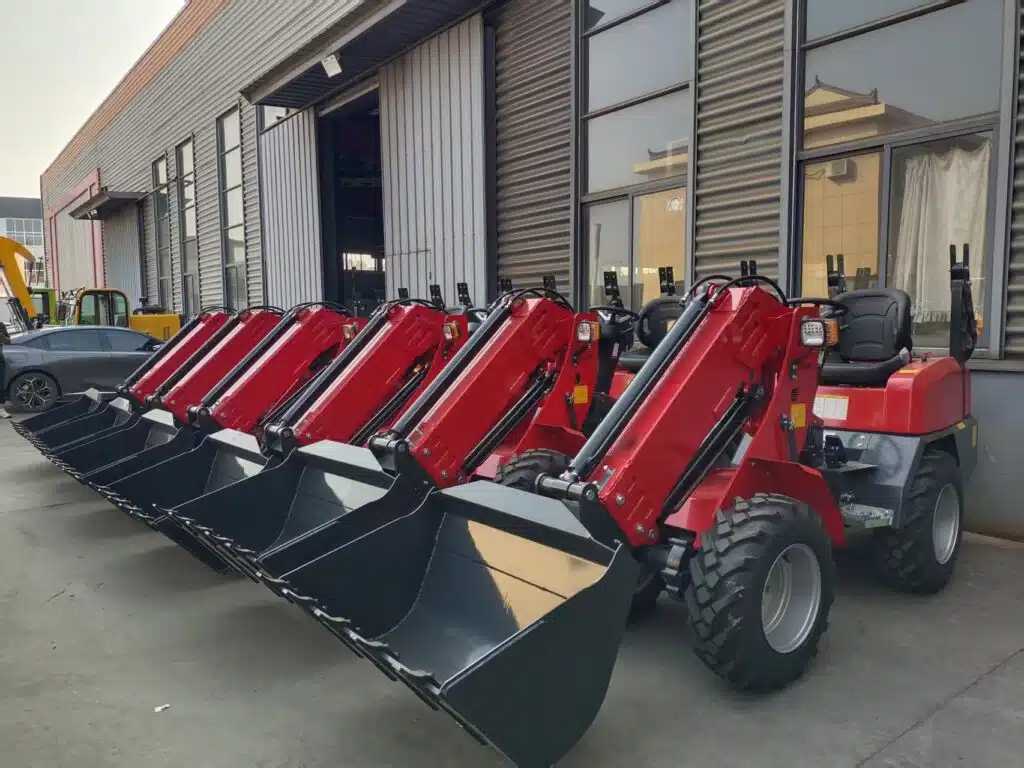
Before turning the key, take 5 minutes to understand your loader.
Key parts to recognize:
- Boom arm
- Quick hitch / attachment
- Hydraulic system
- Counterweight
- Tires or tracks
- Operator cabin and joystick
Important habit:
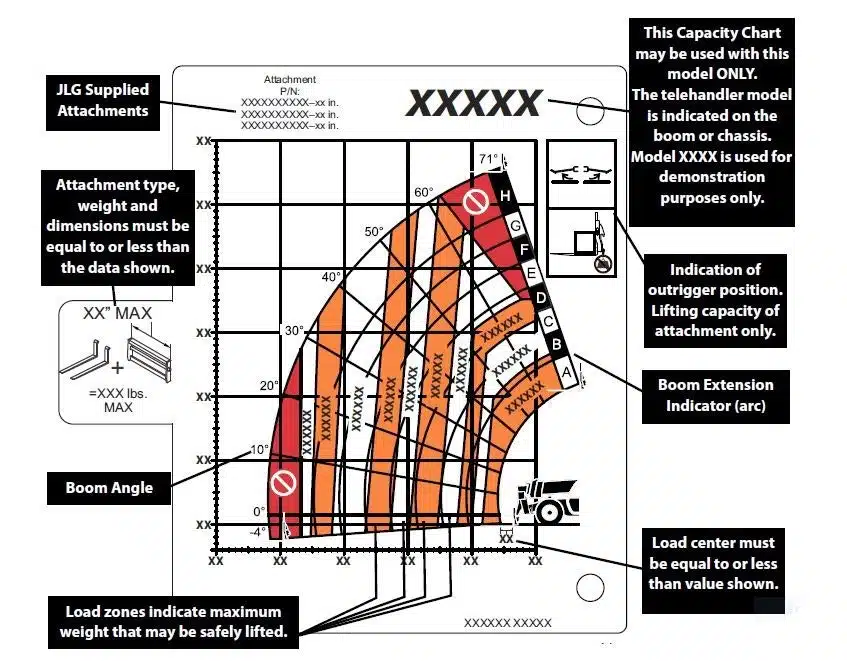
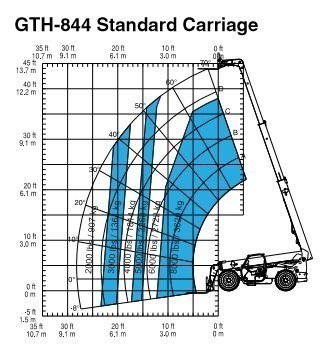
Always check the load chart.
This tells you:
- How much weight you can lift
- At what height
- At what extension
Ignoring this is one of the fastest ways to tip a machine.
3. Understanding the Controls (Simple Breakdown)
Most small telescopic loaders use a joystick + pedals system.
Basic joystick functions:
- Forward/back → boom extend/retract
- Left/right → tilt bucket or attachment
- Up/down → raise/lower boom
Pedals:
- Drive forward/reverse
- Brake
Tip from factory training:
Don’t try to do everything at once.
👉 First learn one movement at a time, then combine them smoothly.
4. How to Achieve Smooth Operation (No Jerky Movements)
4
Jerky operation is one of the biggest beginner mistakes.
Why it matters:
- Causes load instability
- Increases hydraulic wear
- Makes operation unsafe
How to stay smooth:
- Use light pressure on joystick (not full push)
- Move slowly, especially when lifting
- Avoid sudden stops or direction changes
Real-world tip:
Think of it like pouring water from a bottle—
👉 steady and controlled, not sudden.
5. Safe Lifting: The Rules You Should Never Ignore
Safe lifting is where most accidents happen.
Golden rules:
- Keep load low while moving
- Extend boom only when necessary
- Never exceed rated capacity
- Keep load centered
Critical point:
The more you extend the boom, the less weight you can safely lift.
👉 This is where many operators make mistakes—they treat all positions the same.
6. Stability Tips: Avoid Tipping Risks
Tipping is the biggest danger with telescopic loaders.
Main causes:
- Overloading
- Uneven ground
- Fast turning with raised load
- Sudden braking
Safety habits:
- Drive slowly with load raised
- Turn carefully
- Avoid side slopes when possible
Simple rule:
👉 If the machine feels unstable—it probably is. Lower the load immediately.
7. Working on Different Terrains (Real Jobsite Advice)
Different terrains require different handling.
On soft ground:
- Move slowly
- Avoid sharp turns
- Watch for sinking
On slopes:
- Keep load facing uphill
- Avoid turning sideways
On rough terrain:
- Keep boom low
- Reduce speed
Machines from experienced manufacturers like Nicosail often include:
- Wider wheelbase
- Better weight distribution
This helps improve stability—but operator habits still matter most.
8. Daily Inspection Checklist (Prevent Problems Early)
Before each shift, do a quick check:
5-minute checklist:
- Engine oil level
- Hydraulic oil
- Tires condition
- Visible leaks
- Attachment locking
Why this matters:
Small issues become big failures if ignored.
9. Common Operator Mistakes (And How to Avoid Them)
Mistake 1: Lifting too high while moving
👉 Solution: Keep load low
Mistake 2: Overusing full throttle
👉 Solution: Use controlled speed
Mistake 3: Ignoring load chart
👉 Solution: Always check before lifting
Mistake 4: Fast direction changes
👉 Solution: Slow transitions
Mistake 5: Poor visibility awareness
👉 Solution: Always check surroundings
10. How Nicosail Designs for Safer Operation
Modern small telescopic loaders are designed to reduce operator risk.
Nicosail machines, for example, typically include:
- Responsive hydraulic control systems
- Ergonomic joystick layout
- Stable chassis design
- Clear operator visibility
But even the best design cannot replace proper operation.
👉 Safety always comes from machine + operator together.
11. FAQ
Q1: Is it difficult to learn a telescopic loader?
Not really. With basic training, most operators become comfortable quickly.
Q2: What is the biggest safety risk?
Overloading and improper boom extension.
Q3: Can beginners operate safely?
Yes—if they follow load charts and avoid sudden movements.
Q4: How often should maintenance be done?
Daily checks + regular servicing based on usage hours.
Q5: What’s the best way to improve skill?
Practice slow, controlled movements first.
12. Final Summary
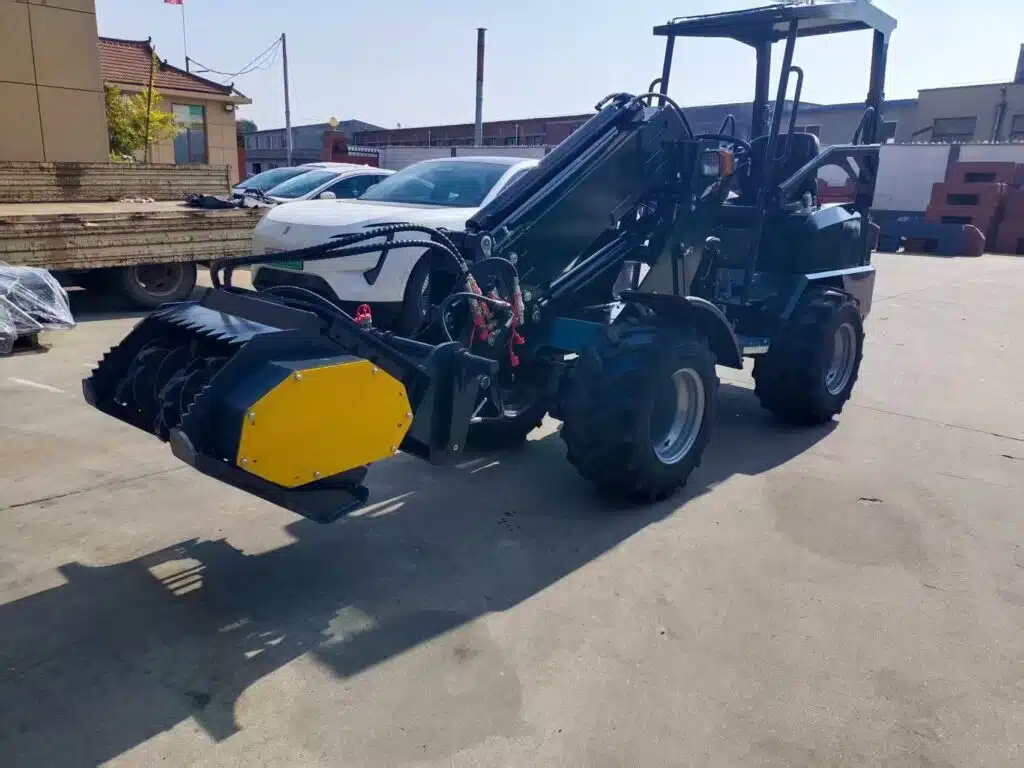
Operating a small telescopic loader safely is not complicated—but it requires discipline.
Key takeaways:
- Understand your machine before use
- Keep movements smooth and controlled
- Always follow load limits
- Prioritize stability over speed
- Inspect daily to prevent issues
From real factory and jobsite experience, the best operators are not the fastest—they are the most consistent and careful.
And when using a well-designed machine like those from Nicosail, combined with proper operation, the result is simple:
👉 safer work, longer machine life, and better overall productivity.
If the goal is clear—work safely, avoid downtime, and get the job done right—then mastering smooth control and safe lifting is the foundation.